






























Cell division is a pretty amazing thing. It’s the basic process that keeps us growing, heals our injuries, and even makes new life possible! In humans and other complex living things, this happens in two main ways: mitosis and meiosis. I know, they sound almost exactly the same, but they actually do completely different jobs in your body. Understanding how they work is the key to figuring out everything from how a scraped knee heals to why you don’t look exactly like your siblings.
Why Science Class Can Feel So Hard
Let’s be honest—memorizing a bunch of long science words can be a real headache. When you just try to cram the definitions into your brain, it’s easy to mix up what mitosis and meiosis actually do. To really get it, we need to drop the heavy textbook jargon and just look at the simple, everyday mechanics of how our cells actually work. It’s a lot cooler than it sounds!
Mitosis: Your Body’s Personal Copy Machine
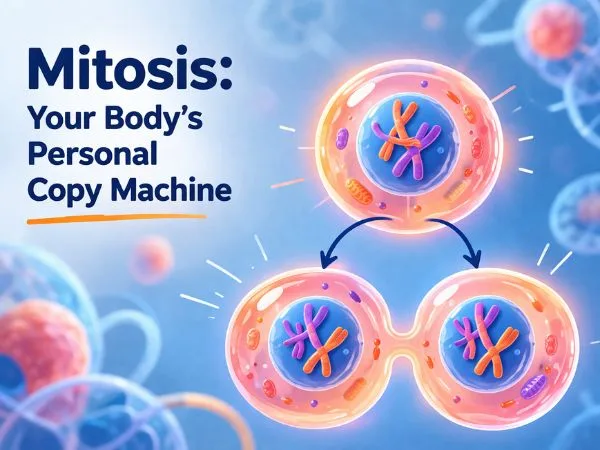
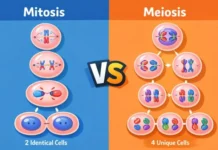
Think of mitosis as the ultimate copy machine for your regular body cells (scientists call these “somatic” cells). Its only job is to take one parent cell and split it into two identical twins. This is how you grow taller, replace old cells, and heal from injuries. For example, if you scrape your arm, your healthy skin cells jump into action, doing mitosis to quickly build fresh new skin!
In humans, a normal body cell has 46 chromosomes. When a cell gets ready for mitosis, it hits “copy” on its entire genetic manual. Then, it splits right down the middle, making sure both of the new daughter cells get a perfect set of 46 chromosomes. This exact cloning is super important because it keeps your body’s tissues stable and working perfectly.
Different Cells, Different Speeds
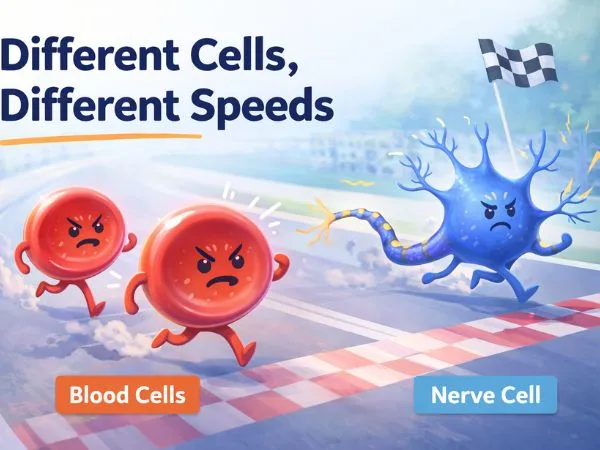
It’s pretty fascinating, but not all cells copy themselves at the same speed! Your skin cells get rubbed off all the time, so they replicate super fast. The cells lining your stomach have it even rougher since they live in a pool of stomach acid, so they divide every few days just to survive! On the flip side, most of the brain cells you have as an adult basically never divide again. That’s why serious head injuries are permanent—the brain can’t just hit the copy button to fix the damage.
also read : – DO YOU KNOW HOW MANY CALORIES 20 BURPEES BURN?
Meiosis: The Ultimate Genetic Mix-Up
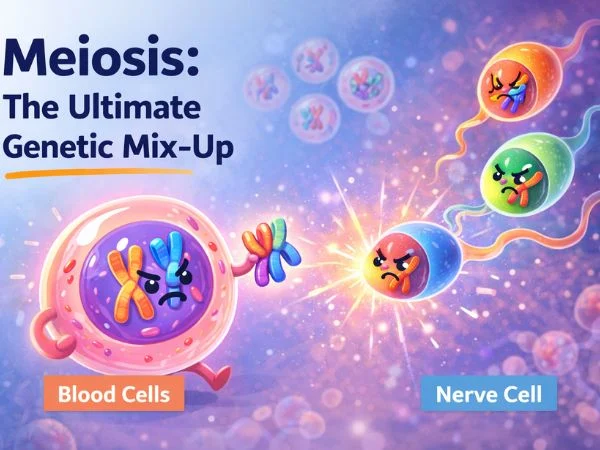
Now, let’s talk about meiosis. While mitosis is for everyday growth, meiosis has one very specific job: making sex cells (sperm for men and eggs for women). This process plays by a completely different set of rules! Think about it—if a sperm with 46 chromosomes joined an egg with 46 chromosomes, the baby would have 92 chromosomes. That simply wouldn’t work!
To fix this, meiosis takes a starting cell and splits it twice, giving us four distinct cells. Each of these new cells only gets 23 chromosomes—exactly half the normal amount. So, when an egg and a sperm finally meet, 23 plus 23 equals the perfect human number of 46 chromosomes!
Shuffling the Genetic Deck
One of the coolest things about meiosis is how it creates variety. Before the cells do their final split, the chromosomes actually swap little pieces of DNA with each other. It’s called ‘crossing over,’ and it’s basically like shuffling a deck of genetic cards before dealing them out! This genetic mix-up guarantees that every single egg or sperm is completely unique. It’s the exact reason why you and your siblings can have the same parents but look and act so differently!
The Big Cheat Sheet
If you ever need a quick way to tell them apart, just remember this simple breakdown:
- The Main Goal: Mitosis is for growing and healing; meiosis is strictly for making babies!
- Where It Happens: Mitosis happens everywhere in your body; meiosis only happens in your reproductive organs.
- Number of Splits: Mitosis splits once; meiosis splits twice.
- The Result: Mitosis gives you two cells; meiosis gives you four.
- The Math (for humans): Mitosis leaves cells with 46 chromosomes; meiosis cuts it down to 23.
- The Final Look: Mitosis makes exact clones; meiosis makes completely unique cells.
also read : – The Best Foods for Seniors to Eat to Stay Healthy (And Actually Enjoy Mealtimes)
When the Copy Machine Breaks (Cancer)
Understanding cell division helps us make sense of serious diseases, especially cancer. Normally, your body has a strict set of built-in rules and ‘stop signs’ to keep mitosis in check. But sometimes, if DNA gets damaged (by things like UV rays or harsh chemicals), those stop signs break. The cell just keeps copying itself over and over again without stopping. This out-of-control division forms a clump of extra cells called a tumor, which is the starting point of cancer.
The PMAT Phases
Even though they have different goals, both processes follow a similar set of steps that teachers call ‘PMAT’ (Prophase, Metaphase, Anaphase, and Telophase). Here’s the simple version:
- Prophase (Packing): The cell gets ready, and the DNA packs up into visible shapes.
- Metaphase (Middle): The chromosomes line up perfectly in the middle of the cell.
- Anaphase (Apart): The chromosomes get pulled apart to opposite sides of the cell.
- Telophase (Two): The cell pinches in the middle and cuts into two separate pieces!
Mitosis runs through PMAT just once, while meiosis has to run through it twice to cut the chromosome number in half.
Why Being Different is a Superpower
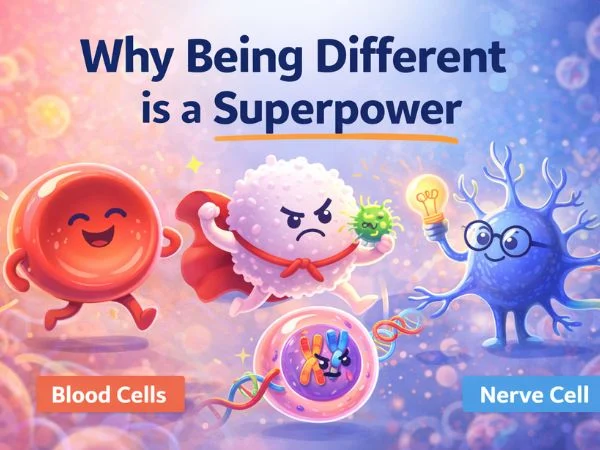
That genetic shuffling we talked about in meiosis? It’s an absolute superpower for the human race! If we all reproduced using mitosis, we’d all be identical clones with the exact same immune systems. If a new virus came along, it could wipe out everyone at once! Because meiosis mixes up our genes, it guarantees that at least some people will have the natural strength to fight off new diseases. It keeps our whole species tough and adaptable!
Frequently Asked Questions (FAQ)
Do all living things use both processes?
Nope! Simple organisms like bacteria just use a basic cloning process that is a lot like mitosis. Meiosis is a fancy upgrade only used by more complex living things that reproduce sexually.
What on earth is a diploid cell?
“Diploid” is just a fancy science word for a cell with a full set of 46 chromosomes (one set from each parent). Mitosis makes diploid cells.
What is a haploid cell?
“Haploid” means a cell only has half the genetic material—just 23 chromosomes. The sperm and eggs made by meiosis are haploid cells.
Can things go wrong during meiosis?
Yes, they can. Sometimes the chromosomes don’t separate evenly, and a sperm or egg might end up with 24 chromosomes instead of 23. This is how genetic conditions like Down Syndrome happen.
Final Thoughts
To sum it all up, mitosis and meiosis are two heavily controlled, super-specialized ways our cells divide. Mitosis is your body’s personal repair crew, handling everyday growth and healing. Meiosis, on the other hand, is the great remixer that makes reproduction and genetic diversity possible. Stripping away the complicated jargon reveals a pretty amazing story about how our bodies survive and thrive!