


































Law Courses are highly demanded and top courses among students. It helps students to learn about legal concepts, legislation, and case laws. A reputable law college in India helps you succeed in your career by preparing you with abilities like clear expression, quick thinking, logical reasoning, and evidence-based debate.
If you also aspire to become a lawyer and are looking for a top law college in India, then here is our list of top Ten Law Colleges in India by NIRF that you should know about.
National Law School of India University- Bangalore

Bangalore is home to Bangalore National Law University, often known as National Law School of India University (NLSIU) or simply National Law School (NLS). It has come out on top in every law school-related index and is regarded as India’s best legal school. It is the only Indian institution to have won the Philip C. Jessup International Law Moot Court Competition twice, in the year 1999 and 2013. The Karnataka Legislative Assembly’s eponymous Act from 1986 founded the National Law School of India. The Chief Justice of India, who serves as the de facto Chancellor, is designated by the statute as the school’s Visitor. The Vice-Chancellor is responsible for the day-to-day management and administration of the university.
RELATED – What Are the Educational Benefits of Joining the Best Honor Society?
National Law University- New Delhi
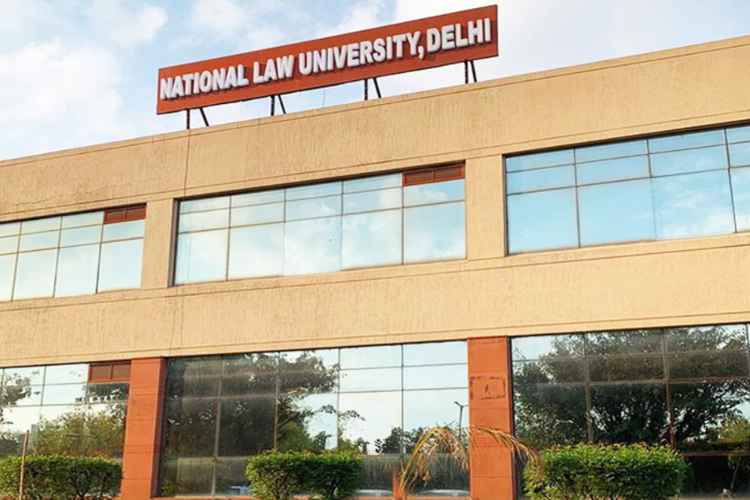
National Law University, Delhi also referred to as NLUD offers undergraduate and graduate-level law courses. In 2022, the National Institutional Ranking Framework (NIRF) gave it the second-best ranking among law schools. In addition to being a member of AIU, the university is recognized by the University Grants Commission (UGC).
The Nalsar University of Law, Hyderabad’s founding director and vice-chancellor, Ranbir Singh, was named the university’s vice-chancellor when the National Law University, Delhi was established in 2008 by Act No. 1 of 2008 of NCT Delhi in the National Capital Territory of Delhi. The ceremony was conducted by the nation’s president at the time, Pratibha Patil. In 2008, the institution started running out of temporary buildings. By 2010, the college had completed its construction and was open for business.
Symbiosis Law School- Pune

Symbiosis Law School (SLS) is an Indian law school having campuses in Pune, Noida, Hyderabad, and Nagpur. Undergraduate, graduate, and doctoral programs are available at Symbiosis Law School in Noida. The institute was placed among India’s top 10 law schools in 2013 by the India Today Nielsen Survey. In the same year, it received the Gold-star Award from the Indian Bar Council. There are 25 full-time faculty members at the law school, including 2 professors, 3 associate professors, 19 assistant professors, 1 teaching associate, and 1 adjunct faculty member.
Nalsar University of Law- Hyderabad

The National Academy of Legal Studies and Research (NALSAR), is located in Hyderabad, India. It was one of the first universities to provide a five-year integrated undergraduate law degree as well as postgraduate and doctoral law degrees. The university is renowned for its fierce admissions competition and is regarded as one of the best legal schools in the nation.
The West Bengal National University of Juridical Sciences- Kolkata

The West Bengal National University of Juridical Sciences (WBNUJS or NUJS) is a National Law University that is situated in West Bengal, India. It was ranked second by India Today and fourth by National Institutional Ranking Framework in 2023 among law schools in India. In addition to a variety of online courses, NUJS also provides MPhil, Ph.D., diplomas in business law, and other programs.
Rajiv Gandhi School of Intellectual Property Law
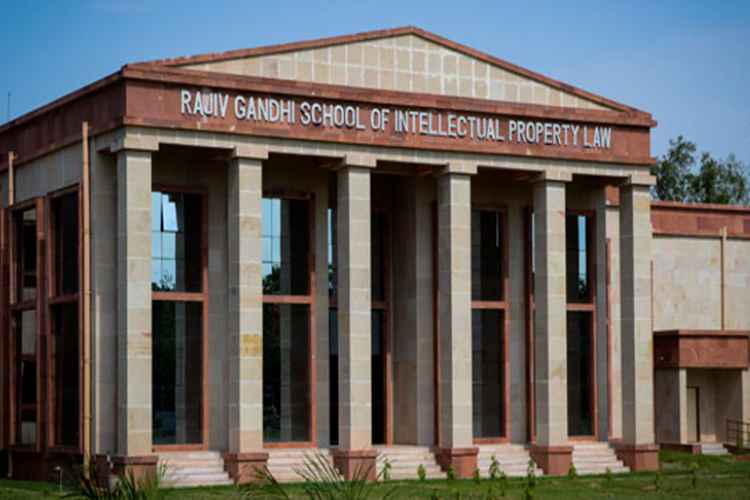
IIT Kharagpur’s Rajiv Gandhi School of Intellectual Property Law, also referred to as RGSOIPL or IIT Kgp Law School, is a law school in West Bengal, India. It is the first legal school to be created in the Indian Institute of Technology (IIT) and is a division of IIT Kharagpur. The National Institutional Ranking Framework (NIRF) placed RGSOIPL sixth among law schools in India in 2022.
Jamia Millia Islamia – New Delhi

By NIRF in 2022, Jamia was ranked third overall and seventh in law. In 1989, Jamia Millia Islamia opened its faculty of law. A three-year LL.B. program was initially launched. In terms of reorganizing courses and syllabi and adding new courses over the previous 20 years, the Faculty has made great progress.
National Law University – Gujarat

The renowned public law school known as the Gujarat National Law University (GNLU) is in Gujarat, India. India Today’s list of “India’s Best Colleges 2022: Law” placed Gujarat National Law University at number four. As of 2022, it was ranked seventh in India for the law by the National Institutional Ranking Framework (NIRF).
RELATED – International School Admissions: Top tips for Parents
Siksha `O` Anusandhan- Bhubaneswar

The SOA National Institute of Law, usually referred to as SNIL, is an independent law school that was founded in Bhubaneswar, Orissa, in 2010. The Siksha “O” Anusandhan (SOA) contains it as a component. It has been given the OK by the Indian Bar Council and received a “B” rating from the National Assessment and Accreditation (NAAC).
National Law University- Jodhpur

The National Law University, Jodhpur also referred to as NLUJ is a public law school situated in Rajasthan. It is one of the best law schools in India and is ranked 10 by NIRF 2022 out of the country’s 30 law schools.
Frequently Asked Questions (FAQs)
Which are the top 10 law colleges in India?
The top law colleges in India typically include leading National Law Universities (NLUs) and reputed private institutions known for strong academics and placements.
What entrance exams are required for top law colleges in India?
Most top law colleges accept scores from CLAT, AILET, or other university-specific entrance exams.
Are National Law Universities better than private law colleges?
National Law Universities are highly reputed for their academic standards, but some private law colleges also offer excellent education, faculty, and placements.
What courses are offered by top law colleges in India?
Top law colleges offer programs such as BA LLB, BBA LLB, BSc LLB, LLM, and PhD in Law.
What is the eligibility criteria for law colleges in India?
Eligibility usually includes completion of 10+2 for undergraduate law courses and a law degree for postgraduate programs, along with entrance exam qualification.
What is the average fee structure of top law colleges in India?
Fees vary by institution, ranging from moderate fees in government colleges to higher fees in private universities.
Do top law colleges in India offer good placements?
Yes, many top law colleges have strong placement records, with graduates joining law firms, corporate houses, judiciary services, and government roles.
Is CLAT mandatory for admission to all top law colleges?
CLAT is mandatory for most NLUs, but some top colleges conduct their own entrance exams or accept other test scores.
Can students pursue law in India after completing any stream?
Yes, students from any stream (Science, Commerce, or Arts) can pursue law after completing 10+2.
How should students choose the best law college in India?
Students should consider factors like rankings, faculty, curriculum, placement records, fees, and location before choosing a law college.
Conclusion
Undoubtedly, there are many colleges in India that offer Law courses. But if you want to become an excellent lawyer you must take your degree from a reputed Law College. We have shared our list of the top 10 law colleges in India so that you can choose the best as per the state you live in.