























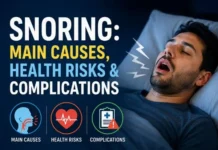










We have all heard it—the rumbling, snorting, or harsh rattling sound coming from the other side of the bed. Snoring is incredibly common, and for many, it is nothing more than an occasional nuisance. However, chronic or loud snoring can be a symptom of underlying health issues and can lead to serious complications if left unaddressed.
If you or your partner are losing sleep over the noise, it is time to look beyond the annoyance. Here is a complete guide to understanding what causes snoring and the complications it can create for your health.
What Exactly Is Snoring?
Snoring happens when the flow of air through your mouth and nose is physically obstructed. When you drift from light sleep into deep sleep, the muscles in the roof of your mouth (soft palate), your tongue, and your throat relax.
Sometimes, these tissues relax so much that they partially block your airway. As you breathe, the air is forced through a narrower passage, causing the surrounding tissues to vibrate against each other. The narrower the airway becomes, the more forceful the airflow, and the louder the snoring.
The Primary Causes of Snoring
Snoring is rarely caused by just one thing. It is usually a combination of your anatomy, your lifestyle, and your sleeping environment. Here are the most common culprits:
1. Mouth and Throat Anatomy
Certain anatomical features make you naturally more prone to snoring. Having a low, thick soft palate can narrow your airway. Similarly, if your uvula (the triangular piece of tissue hanging from your soft palate) is elongated, it can obstruct airflow and increase vibration. Enlarged tonsils or adenoids are also a leading cause of snoring, especially in children.
2. Excess Weight
People who are overweight or obese are much more likely to snore. Excess weight often means extra tissue in the back of the throat, which can narrow the airway and make it easier for the tissues to collapse and vibrate during sleep.
3. Alcohol and Medications
Having a few drinks before bed might help you fall asleep, but it ruins your sleep quality. Alcohol acts as a muscle relaxant, causing your throat muscles to slacken more than they normally would. Certain medications, like sedatives and muscle relaxants, have the exact same effect.
4. Nasal Issues and Allergies
If you cannot breathe through your nose, you are forced to breathe through your mouth. Chronic nasal congestion from allergies, a cold, or a sinus infection restricts airflow. Structural problems, like a deviated septum (where the wall separating your nostrils is off-center), can also block your nasal passages and trigger snoring.
5. Sleep Position
Gravity plays a big role in snoring. When you sleep flat on your back, gravity pulls your relaxed tongue and soft tissues backward, narrowing your airway. Snoring is typically the most frequent and the loudest when sleeping in this position.
6. Age
As we get older, our muscle tone naturally decreases, and our airways shrink. This loss of muscle tone in the throat is why many people who never snored in their twenties start snoring in their fifties.
also read : – Mitosis vs Meiosis: The Ultimate Guide to How Cells Divide!
Complications: Why Snoring Is More Than Just Noise
While occasional, mild snoring is generally harmless, habitual and loud snoring is often linked to Obstructive Sleep Apnea (OSA). OSA is a serious sleep disorder where your breathing repeatedly stops and starts throughout the night.
Whether your snoring is standalone or a sign of OSA, the long-term complications can affect every aspect of your life:
1. Severe Sleep Deprivation
Snoring doesn’t just wake up your partner; it wakes you up too, even if you don’t remember it. The repeated struggle for breath prevents you from reaching the deep, restorative stages of sleep. This leads to chronic daytime fatigue, making it hard to stay awake at work or while driving.
2. Cognitive and Emotional Strain
A lack of quality sleep destroys your ability to focus. Chronic snorers often experience memory problems, difficulty concentrating, and brain fog. Emotionally, the constant exhaustion can lead to severe irritability, sudden mood swings, and a higher risk of depression.
3. Cardiovascular Problems
This is where snoring becomes truly dangerous. The sudden drops in blood oxygen levels that happen when your airway is blocked put an immense strain on your cardiovascular system. Long-term, untreated snoring and sleep apnea drastically increase your risk of:
- High blood pressure (Hypertension)
- Coronary artery disease
- Heart arrhythmias (irregular heartbeats)
- Heart attacks and strokes
4. Relationship Stress
It is often called “second-hand snoring.” A loud snorer can keep their partner awake night after night, leading to resentment, separate bedrooms, and serious relationship strain. A sleep-deprived partner is just as vulnerable to the mood and health complications of poor sleep.
also read : – DO YOU KNOW HOW MANY CALORIES 20 BURPEES BURN?
When to See a Doctor
You should not ignore snoring if it is starting to impact your daily life. It is time to schedule a visit with a healthcare professional or a sleep specialist if you experience any of the following:
- Your partner notices that you stop breathing, gasp, or choke during your sleep.
- You wake up with a severe morning headache or a very dry, sore throat.
- You are overwhelmingly tired during the day, despite spending enough hours in bed.
- Your snoring is so loud it forces your partner to sleep in another room.
Your doctor can help determine if your snoring is harmless or if you need a sleep study to test for sleep apnea. Treatments range from simple lifestyle changes and special pillows to CPAP machines and minor surgeries—all designed to help you (and your partner) finally get a good night’s rest.
Frequently Asked Questions About Snoring
Is snoring a sign of a serious health problem?
While occasional snoring is usually harmless, chronic, loud snoring can be a major red flag for Obstructive Sleep Apnea (OSA). If your snoring is accompanied by gasping, choking, breathing pauses during the night, or extreme daytime fatigue, it is highly recommended that you consult a doctor or a sleep specialist.
What is the difference between normal snoring and sleep apnea?
Normal snoring occurs when the tissues in your throat vibrate as you breathe, creating noise but not completely blocking your airway. Sleep apnea is a serious medical condition where the airway completely collapses, causing you to stop breathing for 10 seconds or longer, multiple times an hour.
Does my sleep position actually affect how loud I snore?
Yes, sleep position is one of the biggest factors in snoring. Sleeping flat on your back allows gravity to pull your tongue and the soft tissues of your palate downward, narrowing your airway. Simply training yourself to sleep on your side or elevating the head of your bed can drastically reduce or eliminate mild snoring.
Can snoring cause heart problems?
Yes, if the snoring is linked to sleep apnea. When your airway is blocked, your blood oxygen levels drop, triggering a “fight or flight” response that spikes your blood pressure. Over time, this constant nighttime stress significantly increases your risk of hypertension, heart arrhythmias, stroke, and heart attacks.
How can I stop snoring naturally without a CPAP machine?
For non-apnea snorers, lifestyle changes are often the best cure. The most effective natural remedies include losing excess weight, avoiding alcohol and sedatives within three hours of bedtime, treating chronic nasal congestion (allergies), and switching from back-sleeping to side-sleeping.